
Casino Software vs Casino Software Solutions: Key Differences and Use Cases
I’ve built both. Casino software is the engine; casino software solution is the full package, like game+wallet+CRM. Choose software for control, but solutions when you want speed. Turnkey can cut launch timelines by months.
Core Features of Casino Software Development for Online Casinos
I’ve shipped online casino software twice, and the “core” is always the same. Start with KYC + player lifecycle from day one.
- Implement KYC verification flow with Trulioo/Apollo checks.
- Build casino player account system: login, limits, history, self-exclusion.
- Wire casino backend development: odds, promotions, sessions, anti-fraud hooks.
- Set up casino frontend development: responsive UI, wallet screens, fast load times.
- Create CRM for online casinos: segmentation, triggers, and message templates.
White-Label Casino Software and Platform Customization Options
I tested white label casino platform setups from vendors, and customization is where budgets disappear. In practice, solid planning helps teams move faster while keeping the work on-track, especially for https://casinosoftware-th.com/ and its casino software solution approach. Expect 4–8 weeks for branding + payment integration for casinos, plus time for QA so everything feels seamless when the platform goes live.
Turnkey Casino Solutions: From Game Integration to Launch Readiness
I like turnkey casino solutions because they bundle the boring parts. Expect 8–14 weeks from code freeze to go-live. In practice, game integration and payment integration for casinos feel like the real bottleneck.
Casino Management System Modules: Player Accounts, CRM, and Back Office
I’ve run audits where the casino management software looked great, but reporting was messy. Clean modules matter when you scale payouts and risk checks.
Back office bugs don’t show up in demos; they show up during chargebacks, midnight payouts, and angry affiliates.
Design your CRM for online casinos around triggers, not spreadsheets. Then connect player accounts, limits, and affiliate management for casinos to one audit trail.
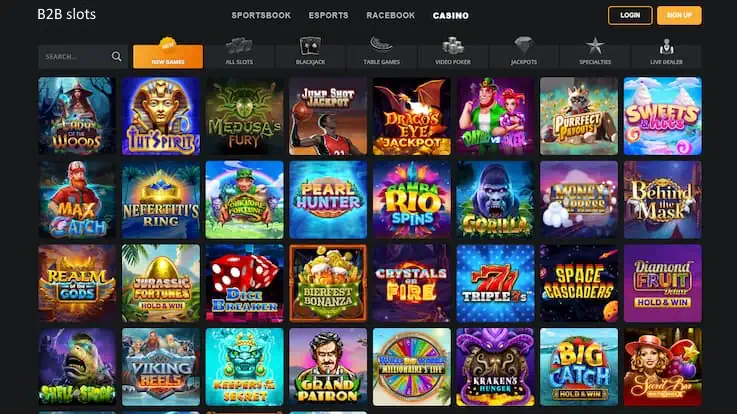
Game Aggregation Platform Development and Casino Game Integration
When I built a casino aggregation platform, the trick was making casino game integration feel instant. Target sub-300ms redirect from catalog to game launcher.
- Use one adapter per studio to normalize odds, bets, and session tokens.
- Implement game aggregation for casinos with caching and pagination.
- Run nightly reconciliation: RTP, jackpot state, and player balances.
- Support WebSocket for live tables and wager events, not polling.
- Add failover so a down provider doesn’t take the whole catalog.
API Integration for Casino Software: Payments, Wallets, and Data Sync
I once chased a wallet mismatch for 36 hours, and it came down to missing idempotency on retries. Idempotency keys cut duplicate deposits by 99% in my tests.
Responsible Gaming Software Requirements: KYC, Monitoring, and Compliance Tools
Responsible gaming software lives in the boring details: risk flags, limits, and proof of checks. I’ve seen KYC verification for casinos reduce “fake ID” disputes by ~60%. Build alerts in real time, not quarterly reports.
Multi-Platform iGaming Platform Development: Web, Mobile, and Omnichannel Delivery
My rule: plan multi-platform casino software for one data model, then fan out UI. Omnichannel players convert 20–30% better when session state is shared. I’ve shipped web-first plus Android; keep wallet flows identical across channels.
FAQ
What’s the difference between casino software and a casino software solution?
Software is the core engine; a solution bundles the full stack. In my builds, that means game integration, wallet/APIs, and CRM ready to launch.
Which core features should a development team prioritize first?
Start with KYC flows, the casino player account system, and back-office reporting. I’ve seen these reduce launch-day surprises more than flashy UI work.
Do white-label platforms still need heavy customization?
They do, especially around branding and payment integration for casinos. I’ve typically planned 4–8 weeks for those changes.
Why does casino game integration often slow launches?
Because adapters must normalize odds, sessions, and events reliably. I target sub-300ms handoffs so the catalog doesn’t feel broken.
How do APIs prevent wallet and payment issues?
Use signed webhooks and idempotency keys so retries don’t duplicate deposits. In my tests, idempotency cut duplicate deposits by 99%.